

Navigational Warnings (S-124)
End-to-end solution
AIS-based navigational warnings are foundational to maritime safety. However, the current AIS ecosystem lacks sender authentication, opening the door to spoofed messages where virtual marks or warnings can be falsified. This compromises navigational safety, confuses ECDIS displays, and exposes vessels to unintended hazards. In an evolving digital maritime environment, this trust gap in AIS must be closed.
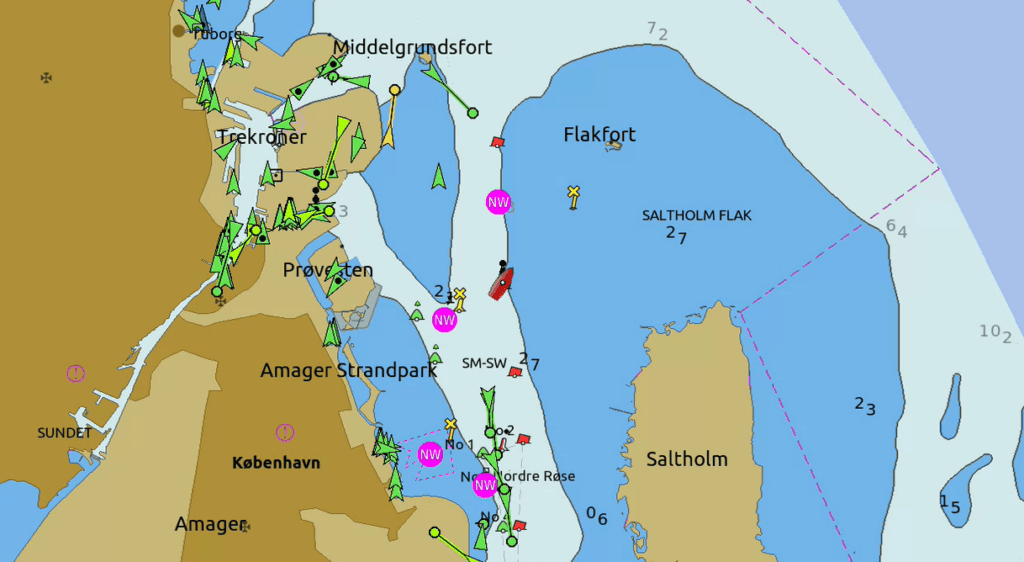
A New Standard
The next generation of trusted navigational warnings is built on the S-100 framework, a universal standard for maritime geospatial data developed by the International Hydrographic Organization (IHO). This framework enables harmonized and interoperable data exchange between systems, making it a cornerstone of future maritime navigation.
Starting January 2026, S-100-based Electronic Chart Display and information Systems (ECDIS) will be approved for operational use, with mandatory compliance for all new systems by January 2029, in accordance with updated IMO Performance Standards (MSC.530(106)). This ensures that all navigational systems align with a standardized, digital-first infrastructure.
Next Generation of Navigational Warnings Leverages

S-100
universal maritime data framework

S-124
Navigational Warnings products specification
high-bandwidth, two-way communication layer

Maritime Connectivity Platform (MCP)
enabling strong identity verification via digital signatures and PKI
Maritime Messaging Service (MMS)
for secure data delivery
Secure Navigational Warnings from Shore to Ship
The system creates an end-to-end trust chain for navigational warnings through a combination of standardized data formats secure messaging, and authenticated communication channels.

MESSAGE CREATION & AUTHENTICATION
Shore authorities create S-124 compliant navigational warnings using standardized data structures.
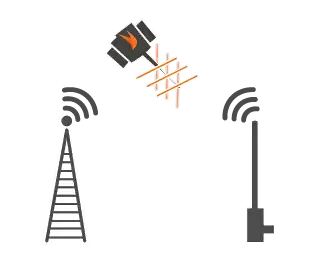
SECURE TRANSMISSION
Messages are transmitted using the MMS standard as specified by RTCM and aligned with IALA guidelines. The Sternula MMS Proxy Ship and Sternula MMS Proxy Shore handle message routing and delivery. Both components were designed following IALA G-1117 and RTCM standard 13900.0.

FLEXIBLE COMMUNICATION CHANNELS
Messages can be transmitted either over IP-based networks or via VDES, enabling flexible deployment depending on available infrastructure. This dual-patch approach ensures reliable delivery even in areas with limited connectivity.

ONBOARD INTEGRATION
Ships recieve authenticated warnings through their VDES-enable systems. The Sternula MMS Proxy Ship processes incoming messages, verifies digital signatures, and integrates the warnings with onboard ECDIS systems. This creates a seamless flow from shore to ship, maintaining trust throughout the entire chain.
OPEN STANDARDS & INTEROPERABILITY
The system is built with interoperability, and transparancy in mind, supported by NIORD and OpenCPN, open-source platforms for managing navigational warnings and notices to mariners. These enable structured dissemination and integration with both shore-based and onboard systems.
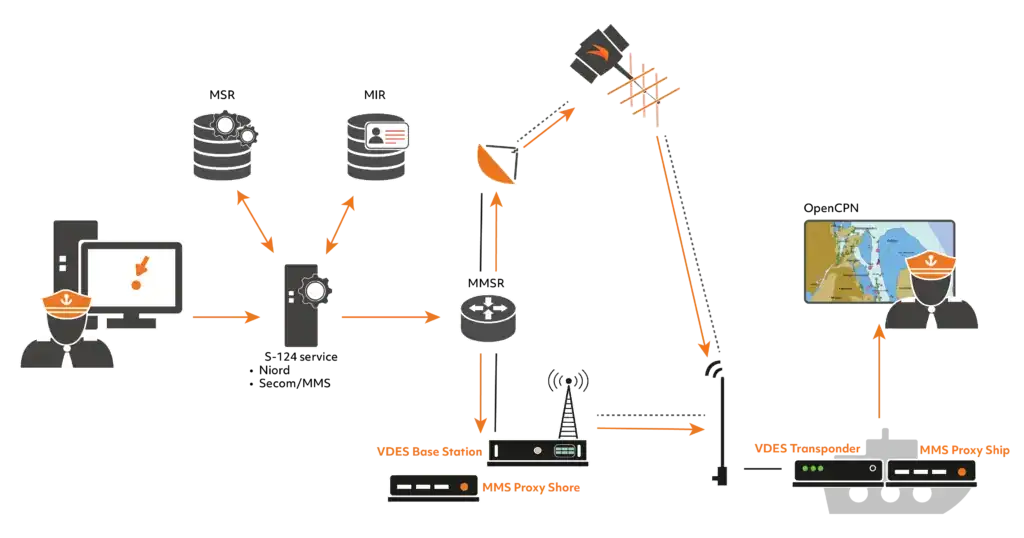
By combining S-100/S-124 data standards, secure digital messaging, and open-source infrastructure, our solution ensures that essential navigational information is delivered quickly, clearly and reliably, supporting safer navigation and full compliance with international maritime regulations.
Ship Setup Package:
1. AIS 2.0 (VDES) Transceiver
2. Sternula MMS Proxy Ship
3. Display Unit
Shore Setup Package:
1. AIS 2.0 (VDES) Base Station
2. Sternula MMS Proxy Shore
3. Display Unit
If you have any questions regarding our products and services, visit our FAQ page.
For More Product Information or a Quotation, Please Fill the Contact Form Below.
By submitting this form, you acknowledge that you have read our Privacy Policy .